Storage structures
How earth cellars, masonry cellars and outdoor clamps hold temperature and humidity, and what makes each one suitable for different produce.
Working notes on cool storage, earth cellars and overwintering vegetables and fruit, written for the damp, cold-winter conditions common across Germany.

What this site covers
Most home harvests fail in storage for the same handful of reasons: too warm, too dry, too much air movement, or produce stored that was never suited to keeping. These notes group the practical points by where the work happens.
How earth cellars, masonry cellars and outdoor clamps hold temperature and humidity, and what makes each one suitable for different produce.
Which root vegetables, brassicas, apples and pears tolerate months of storage, and how German garden varieties differ in keeping quality.
Curing, sorting and timing the harvest around the first frosts so that produce enters storage dry, undamaged and ready to last.
Articles
Each article is self-contained and focuses on the practical steps rather than general theory.

How an Erdkeller holds steady temperature and humidity, what to consider before digging, and the seasonal maintenance that keeps one usable.
Read article
Sand boxes for carrots, cellaring potatoes in the dark, and the cool-store and clamp methods used for cabbages in German gardens.
Read article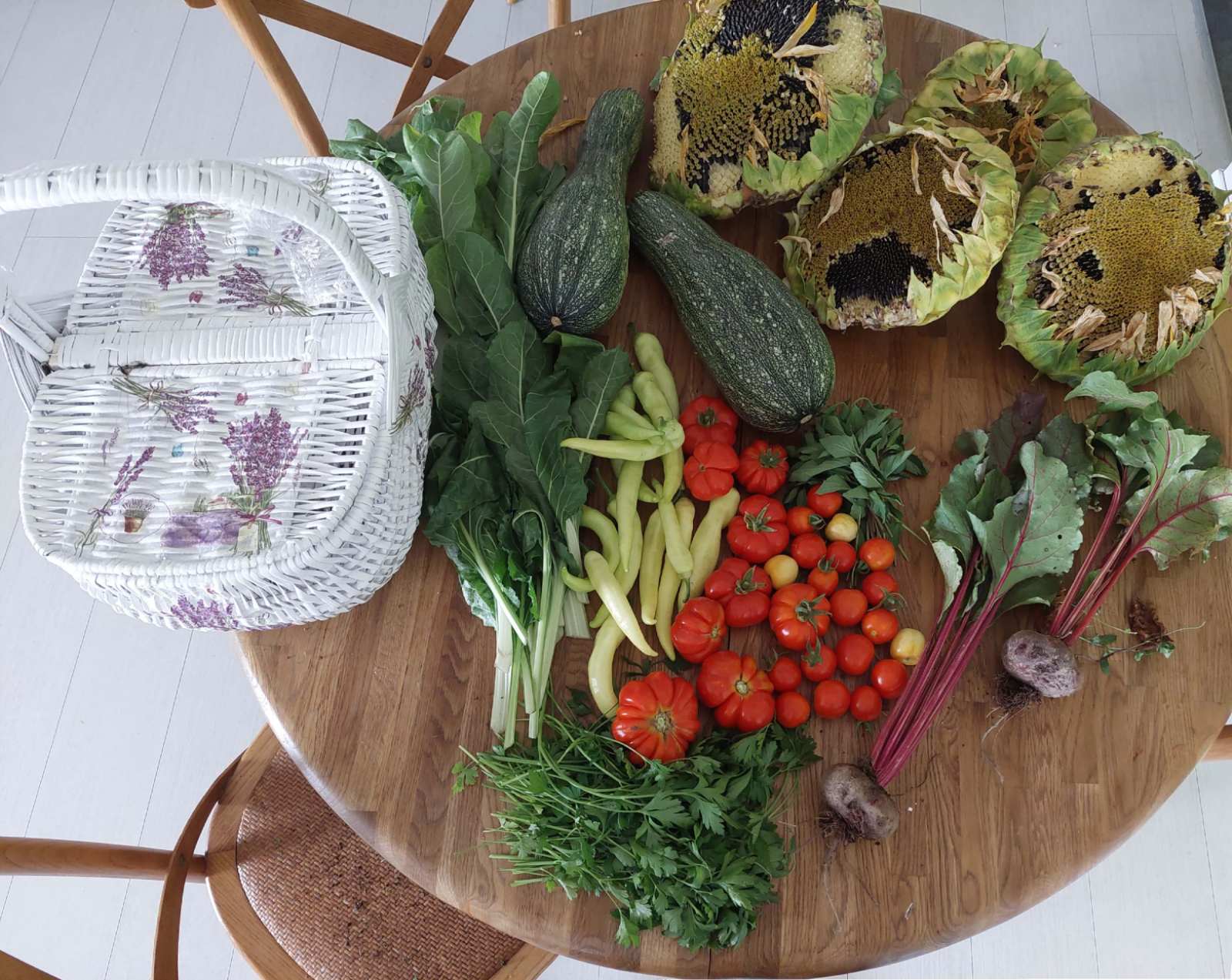
Curing onions and squash, sorting for damage, timing around the first frosts, and getting produce dry before it goes into the cellar.
Read articleA simple sequence
The order of work matters more than any single trick. Produce that is harvested, cured and sorted properly will keep in a modest cellar; produce rushed into storage rarely does.
01
Lift root crops on a dry day after the foliage has begun to die back, before hard frost sets the ground.
02
Onions, garlic, squash and potatoes need a curing period in a dry, airy place before storage.
03
Set aside any produce that is bruised, cut or showing rot. One damaged item can spoil a whole box.
04
Place in a cool, dark, humid store and inspect every few weeks, removing anything that begins to spoil.

Why conditions matter
Stored fruit and vegetables are still alive and slowly respiring. Keeping them cool slows that process; keeping the air humid stops roots from shrivelling; keeping them dark prevents potatoes from greening. The balance differs by crop.
Contact
If you spot an error in these notes or have a question about a storage method, use the form. It is a static form for general correspondence; please do not include sensitive personal information.