Storage begins in the garden, not the cellar. Produce that is lifted at the wrong moment, packed away damp, or stored alongside a single bruised neighbour will not keep, however good the cellar. The autumn weeks are spent reading the weather and handling the harvest gently.
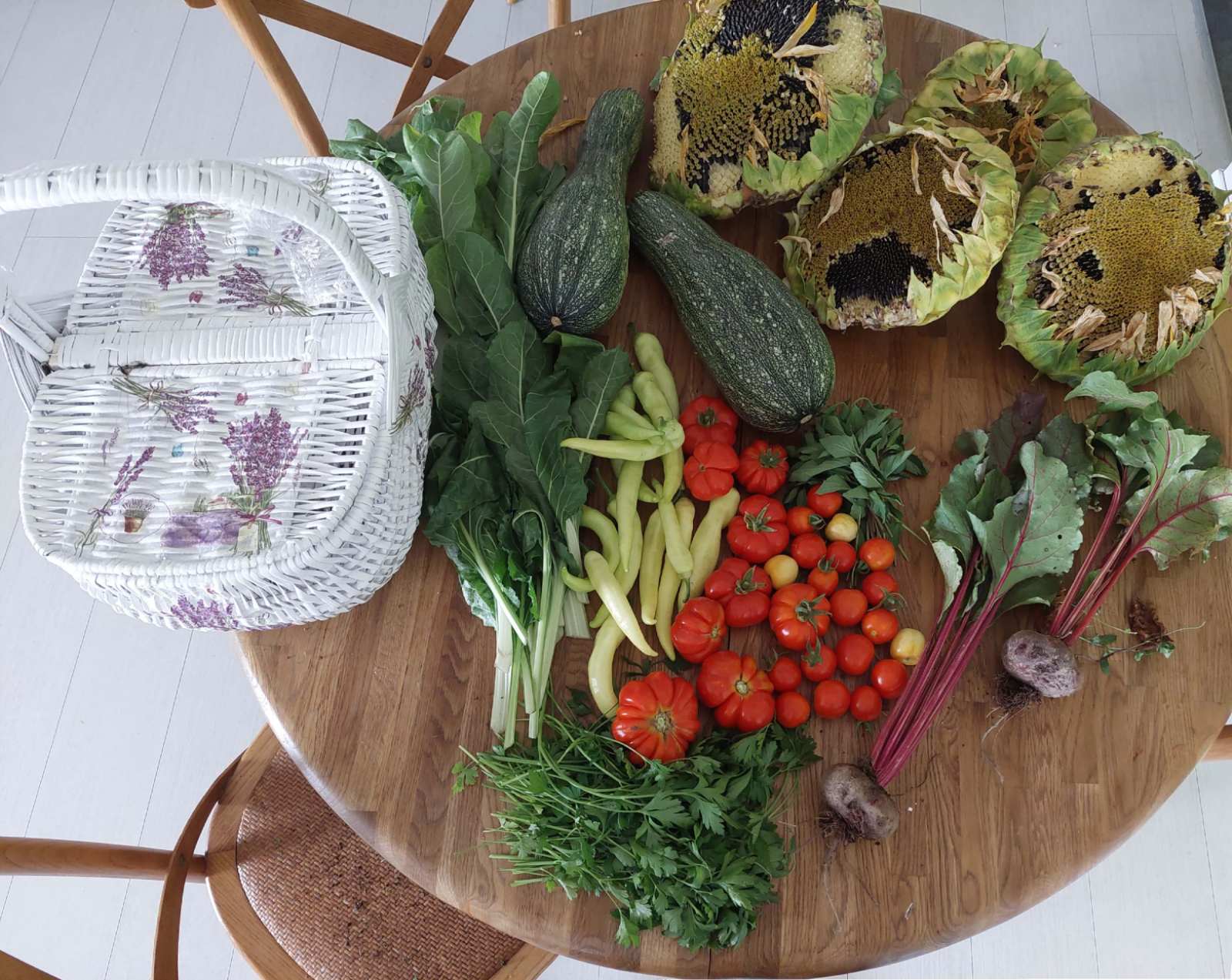
Timing around the first frosts
Across much of Germany the first light frosts arrive in October, with the timing varying widely by region and altitude. Frost is not the enemy of every crop — a touch of cold improves the flavour of parsnips and kale — but it ruins tender produce and can damage potatoes left in cold ground. A workable order of operations is:
- Before any frost: bring in the frost-tender crops — squash, pumpkins, the last tomatoes, beans for drying.
- Around the first light frosts: lift maincrop potatoes once the haulm has died back, choosing a dry spell.
- Into the cold weeks: harvest the storage roots and cabbages; leave the hardiest crops in the ground to lift as needed.
Curing: the step most often skipped
Several crops need a drying-and-healing period — curing — before they will store. Curing lets skins toughen and small wounds seal over, which is what keeps rot out during the months ahead.
Onions and garlic
Lift when the tops have flopped and begun to yellow, then dry them in a single layer in an airy, rain-sheltered place until the necks are papery and the skins rustle. Only then are they ready to braid or store in nets.
Winter squash and pumpkins
Cut with a length of stalk attached and cure in a warm, dry, airy spot for a week or two so the rind hardens. A well-cured squash with an intact stalk keeps far longer than one picked and stored straight away.
Potatoes
Let lifted potatoes dry on the surface for a few hours, then keep them somewhere dark and airy for a week or two so the skins set before they go into their sacks.
Handle as if they bruise easily — because they do
Every knock, cut or dropped tuber is a way in for rot. Carry produce in shallow layers rather than deep heaps, set it down rather than tipping it, and keep your storage containers clean. Gentle handling at harvest is invisible work that pays off all winter.
Sorting: keep only what will keep
Before anything is put away, go through it once with a critical eye. Anything bruised, cut, soft, blemished or undersized should be set aside for the kitchen now rather than committed to storage. The produce that goes into the cellar should be firm, dry, clean and sound.

It also helps to keep crops apart. Apples and pears give off ethylene as they ripen, which can hasten sprouting and spoilage in nearby vegetables, so they are best stored in their own space. Onions and garlic want dry air, while roots want humid air — so those two groups should never share a box.
A simple autumn order of work
Then into store
Once the harvest is cured and sorted, it is ready for the methods covered in the companion articles: the conditions a cellar provides in building and maintaining an earth cellar, and the crop-by-crop techniques in storing root vegetables and cabbage over winter.
General guidance on food storage at home is published in German by the Federal Centre for Nutrition (BZfE) at bzfe.de.